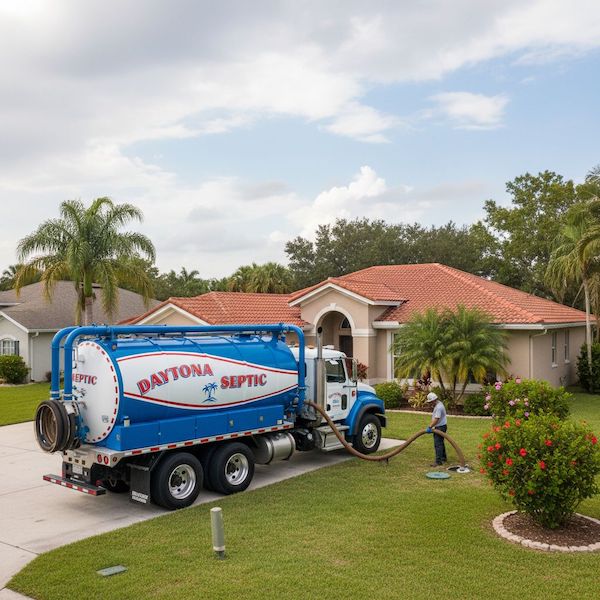
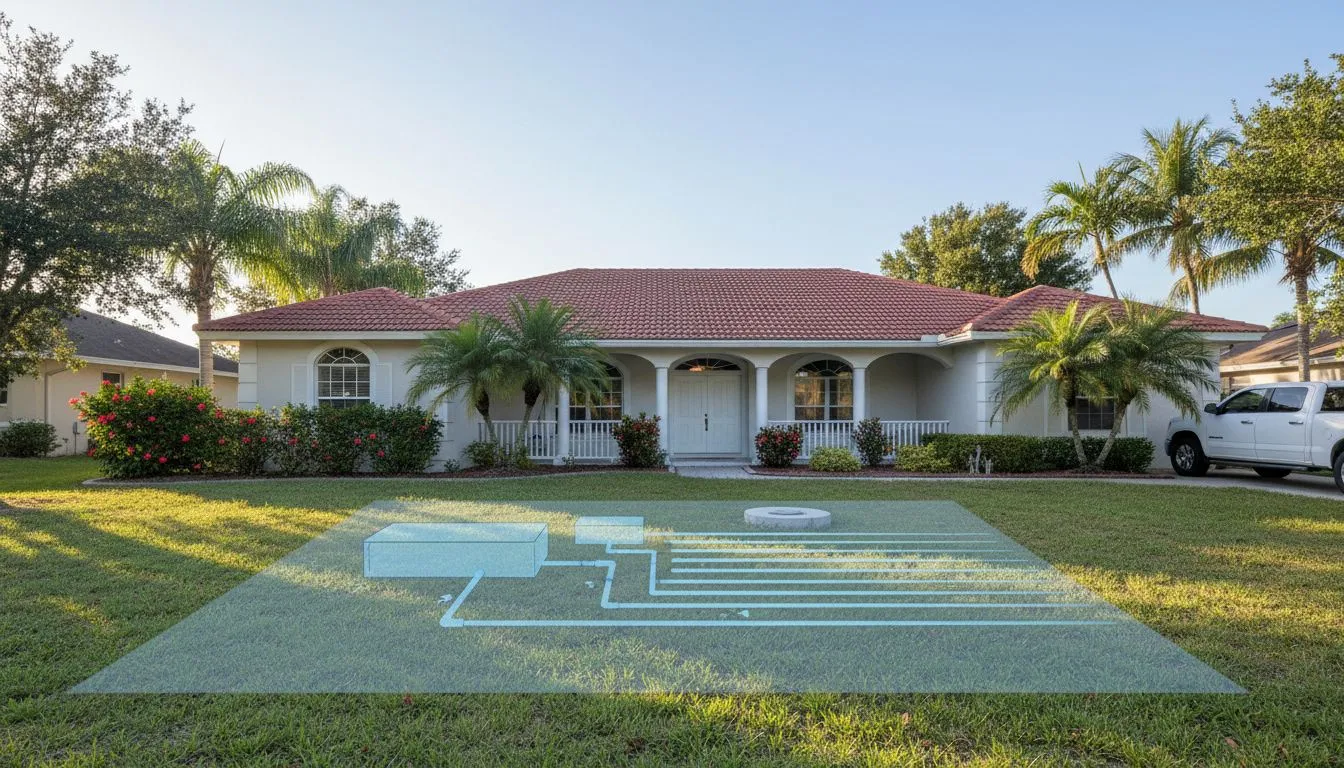
Daytona Septic provides reliable septic services in Daytona Beach, FL for residential and commercial properties. From routine maintenance and inspections to septic tank service, pumping, and repairs, our experienced team helps protect your system and prevent costly failures. We focus on honest recommendations, prompt service, and long-term septic system performance.
Experience rapid, dependable 24/7 septic services for both emergencies and routine needs when you call us.
Our comprehensive services cover everything from new installations, regular maintenance, to detailed inspections. We customize our approach to meet the unique requirements of every property, ensuring efficient and safe septic operations.
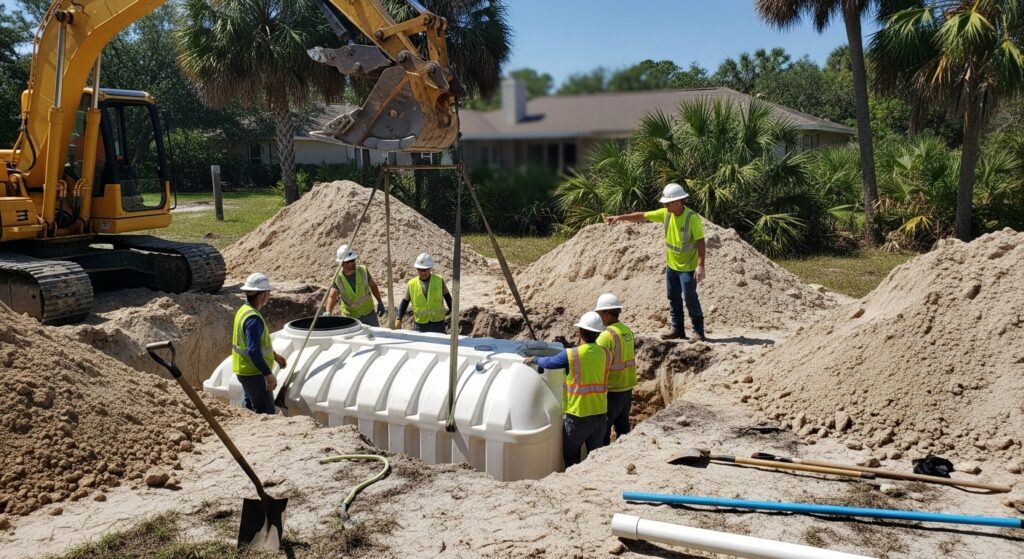
We provide expert installation services that prioritize long-term performance. Our systems are designed to offer durable, efficient waste management that complies with all local standards.
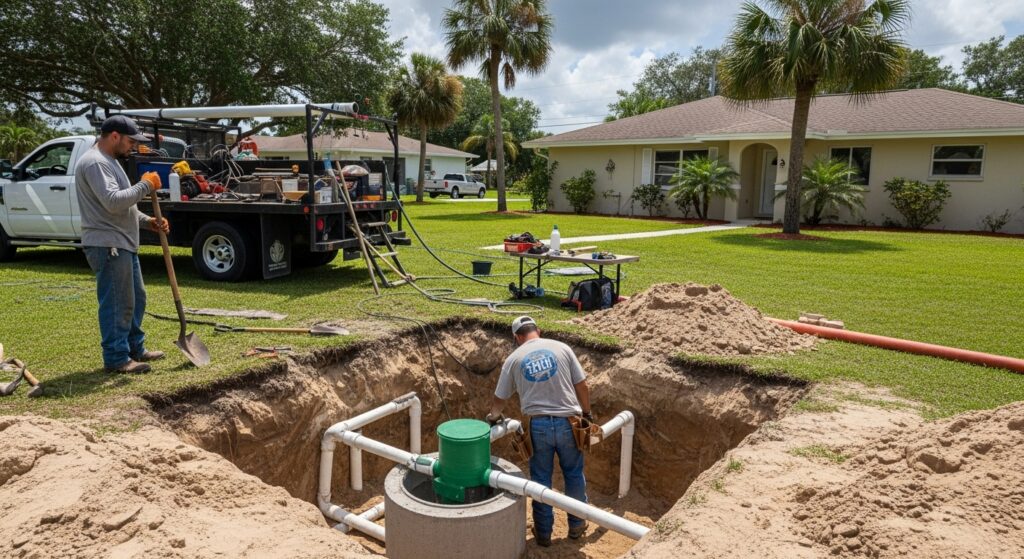
Our repair services are fast and reliable, designed to promptly address any issues that arise. With focused attention on restoring optimal system function, we help prevent further damage and costly replacements.
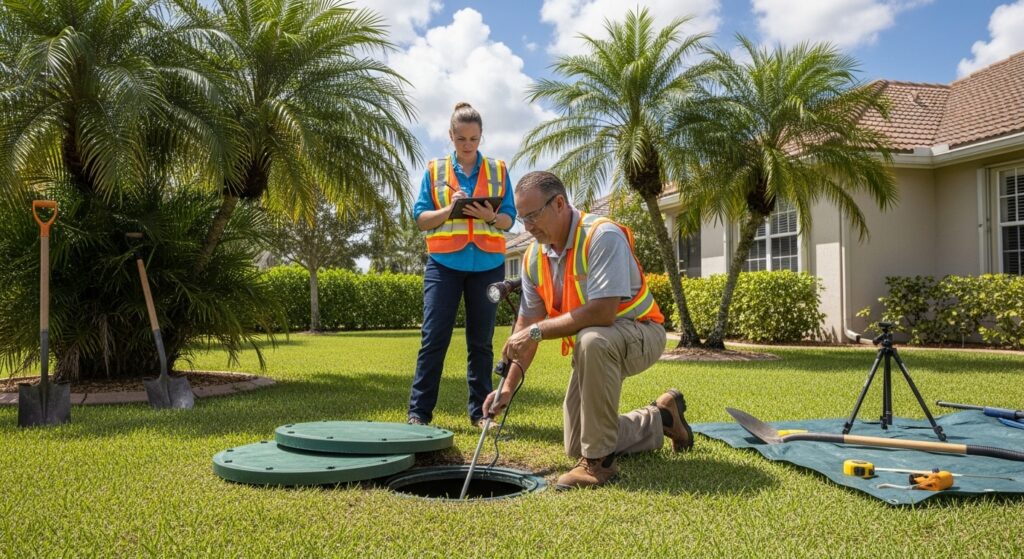
Regular inspections are essential to identify potential problems before they escalate. Our thorough evaluations ensure every component of your septic system is operating at its best.
We guarantee it!
Backed by years of local expertise, our team is dedicated to providing septic services that prioritize your safety and the well-being of the environment. We adhere to high standards to ensure long-lasting results.
Through meticulous service, from installations to emergency repairs, we guarantee each project is executed with precision and care, ensuring that your septic system functions reliably at all times.
Our commitment to quality is evident in the consistent praise from our clients. They appreciate our responsive service, transparent communication, and the effective solutions we provide for all their septic system needs.
I experienced incredibly responsive service from Daytona Septic. The team repaired my septic system swiftly and maintained a high level of professionalism throughout the process.
My installation process was seamless and informative. The Daytona Septic experts took time to explain every step, ensuring I felt comfortable and confident with the new system.
Tony R.
I am very satisfied with the inspection and repair services. Their clear guidance and attention to detail reassured me that my system was in capable hands.
The overall experience was outstanding. The team’s dedication to quality and thoroughness made all the difference, ensuring my septic system runs efficiently.
Henry
Our extensive experience in septic system services is reflected in our commitment to quality, safety, and efficiency. Every project benefits from our deep industry knowledge and customer-focused approach.
Whether it’s a routine maintenance check or a complex repair, we handle each task with meticulous care. Our team is dedicated to delivering results that exceed expectations, ensuring sustainable and effective septic operations.
We know you have questions about septic system maintenance and operation. Our FAQ section provides clear, expert answers to help you understand how to care for your system and avoid potential issues.
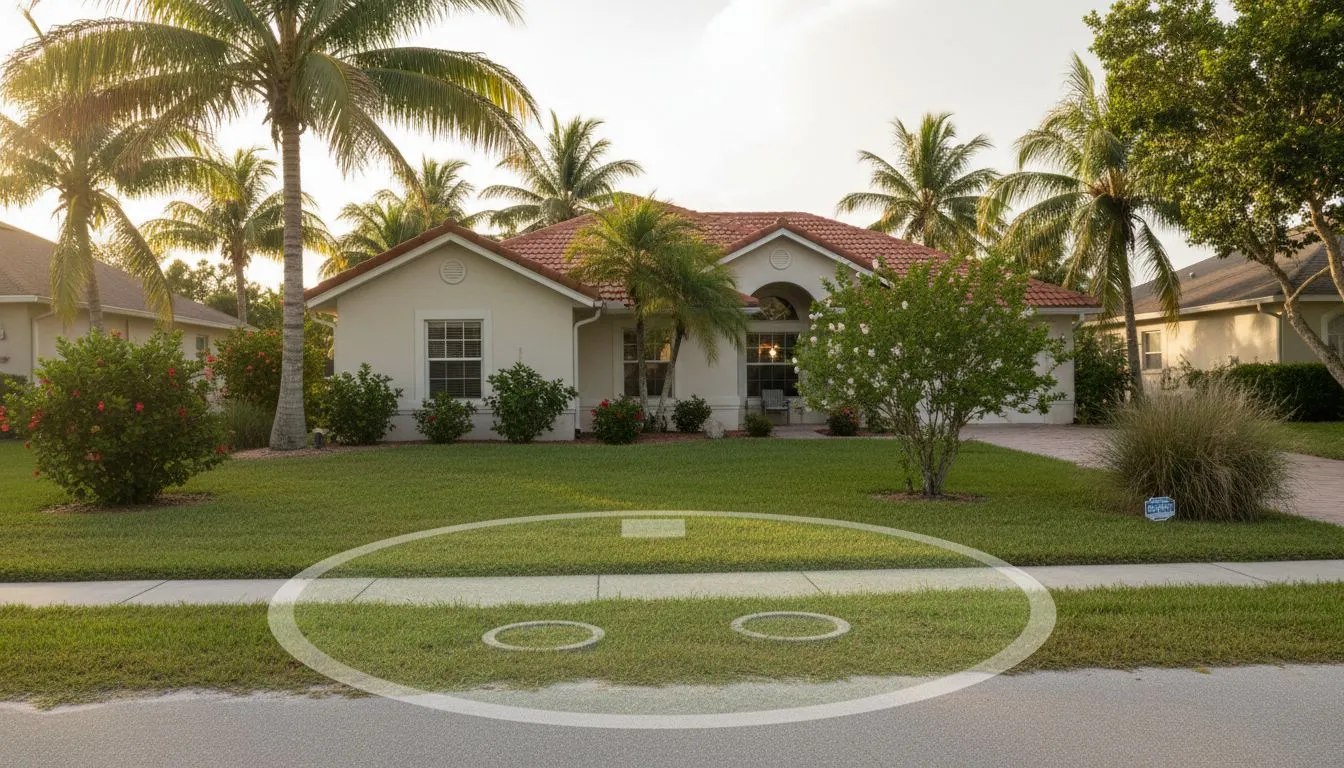
A full septic tank often shows warning signs before a major failure. In Daytona Beach, these signs can appear sooner due to heavy rain, sandy soil, and high groundwater levels. Common symptoms include slow drains throughout the home, gurgling sounds from sinks or toilets, sewage odors inside or outside, weak toilet flushing, frequent plumbing clogs, sewage backing up into tubs or toilets, pooling water or soggy soil near the drain field, unusually green grass over the septic area, septic alarm activation (if equipped), and drainage issues that worsen after heavy rainfall.
If you notice one or more of these signs, septic service is recommended as soon as possible to avoid costly damage.
Most septic tanks in Daytona Beach should be pumped every 3 to 5 years. Homes with larger households, frequent guests, vacation rentals, or increased water usage may need more frequent pumping. Regular septic maintenance helps prevent backups, drain-field failure, and emergency repairs.
Yes. Heavy rain is a common cause of septic problems in Daytona Beach. Excess rainfall can saturate the drain field and raise groundwater levels, preventing wastewater from properly absorbing into the soil. This can lead to slow drains, sewage backups, standing water in the yard, and septic odors. Septic issues often become noticeable after storms or prolonged rain.
If a septic tank overflows, wastewater can back up into your home, contaminate your yard, create strong sewage odors, and pose health risks. Overflow can also damage the drain field, leading to expensive repairs or system replacement.
Prompt septic pumping and inspection are critical to prevent long-term damage.
Yes. A full septic tank restricts wastewater flow, which can cause toilets to flush slowly, bubble, or back up into the home. Toilet backups are often one of the clearest signs that septic pumping or service is needed.
Septic tank pumping in Daytona Beach typically costs between $250 and $500, depending on tank size, accessibility, how full the tank is, and whether emergency service is required. Regular maintenance is far less expensive than repairing or replacing a failed septic system.
You can extend the life of your septic system by scheduling regular pumping, conserving water, avoiding flushing non-biodegradable items, limiting grease and harsh chemicals, and keeping vehicles and heavy equipment off the drain field. Routine inspections help catch small problems before they become major repairs.
Many everyday household cleaners are safe for septic systems when used in moderation. However, excessive use of harsh chemicals, bleach, antibacterial products, or drain cleaners can disrupt the natural bacteria your septic system needs to function properly. Septic-safe products are recommended.
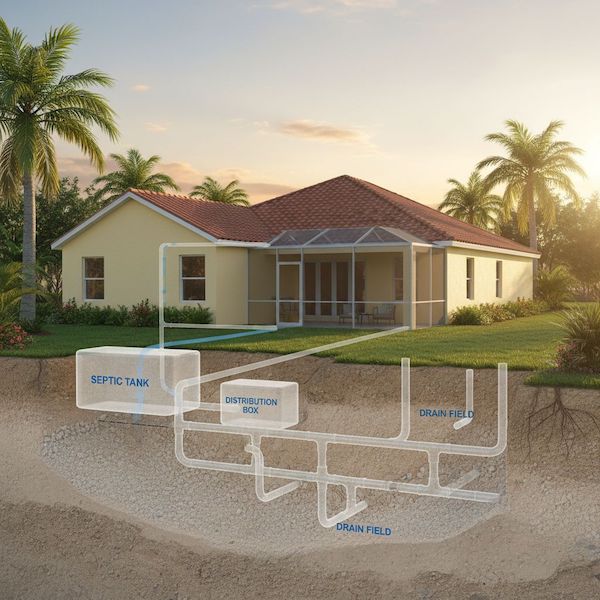
The drain field allows treated wastewater to safely absorb into the soil. If the drain field becomes saturated, compacted, or damaged, wastewater cannot properly disperse, leading to backups and system failure. Protecting the drain field is essential for septic system performance.